Replacing Fluid & Re-Hydrating After Rugby
Hydration isn’t just about grabbing some water when you feel thirsty. After training or a match, your body needs a deliberate approach to fluid replacement to recover properly, think clearly, and perform again the next day.
A simple rule is to replace 1–1.5 times the fluid you lose during exercise.
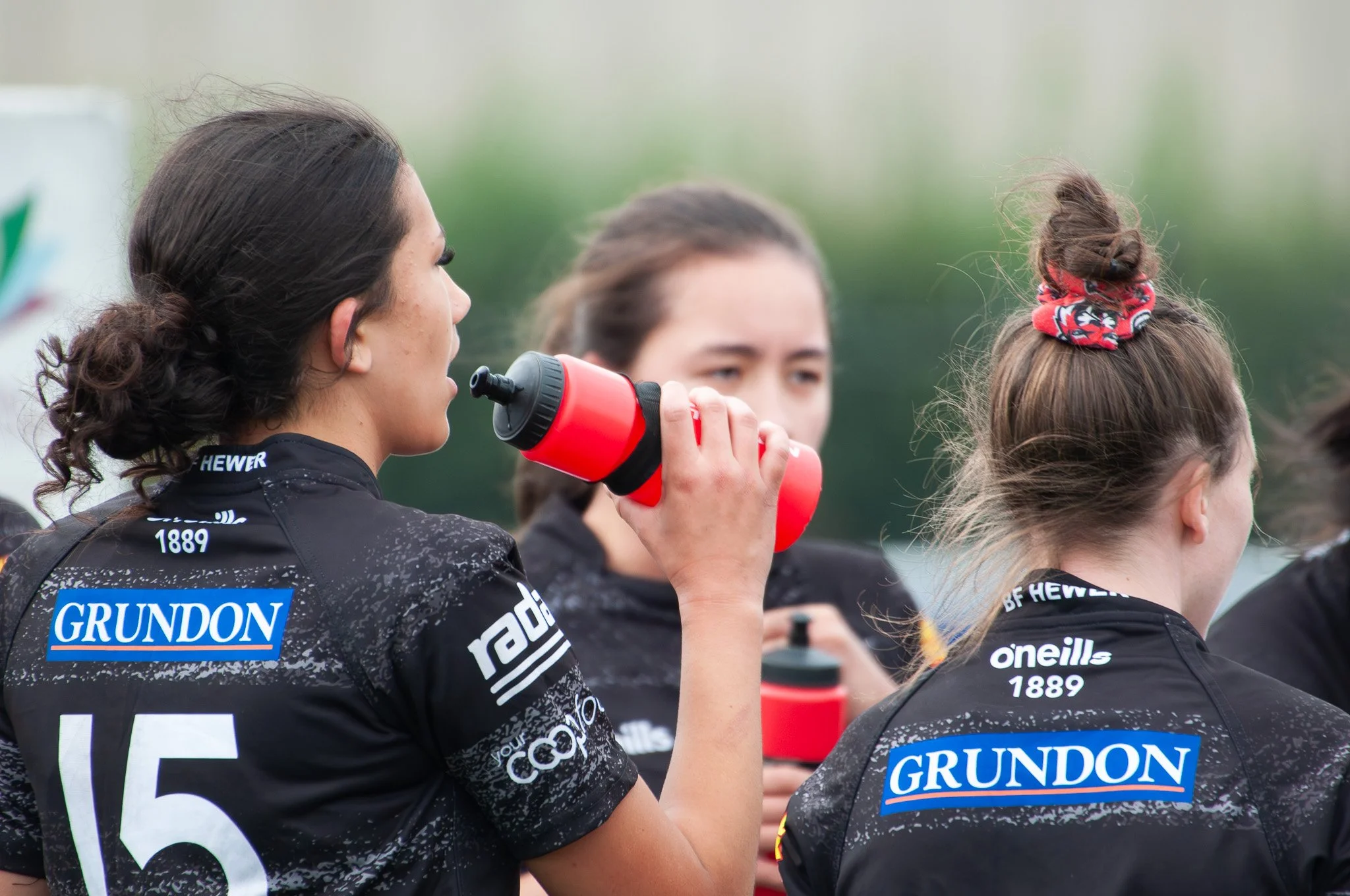
Why Hydration Matters for Rugby Players
Water plays a vital role in almost every system in the body. It helps to:
Regulate body temperature during training and matches
Dissolve minerals and nutrients so the body can use them
Lubricate joints under contact and load
Transport oxygen and nutrients to working muscles
Protect organs and tissues
Flush out waste products after exercise
When fluid levels drop, performance and recovery both take a hit.
What Dehydration Does to Performance
Even small levels of dehydration can affect how you feel and play. During rugby, this may lead to:
Higher body temperature
Extra strain on the heart and blood vessels
Faster use of stored energy, causing earlier fatigue
Slower reaction times and poorer skill execution
Greater electrolyte loss through sweat, increasing the risk of cramps
Hot or humid conditions make this even more important, as warmer temperatures increase fluid loss through sweating.
How to Work Out Your Personal Fluid Needs
The most accurate way to know how much to drink is by checking your body mass before and after exercise.
Step-by-step guide
Step 1: Weigh yourself before training
Example: 89.2 kg
Step 2: Weigh yourself after training
Example: 88.4 kg
Step 3: Calculate total mass lost
89.2 kg – 88.4 kg = 0.8 kg (800 g)
Step 4: Convert grams into millilitres
1 g of body mass lost = 1 ml of water
800 g = 800 ml
Step 5: Work out your rehydration range
You need to drink 1–1.5 times what you lost.
1 × 800 ml = 800 ml
1.5 × 800 ml = 1200 ml (1.2 litres)
Step 6: Drink gradually
Sip between 800–1200 ml over the next few hours rather than drinking it all at once.
if you haven’t lost any mass
If you don’t lose any body mass, it likely because you replaced fluid during the session. That’s a good sign your hydration strategy is working.
key Takeaways
Hydration is one of the simplest ways to improve recovery and performance. By tracking your fluid loss, you can:
Recover faster between sessions
Reduce fatigue and muscle cramps
Stay sharp in decision-making
Keep your energy levels more consistent
It’s a small habit that can have a big impact over a season.