What Makes a Great Team Culture
Every team culture looks a little different - shaped by the people, the history, and the environment.
But while the values, standards, and ways of behaving may vary, great team cultures all share a few universal traits. These 5 are the foundations that allow individuals and teams to thrive - both in performance and wellbeing.
1. Fun
It’s simple, but often forgotten.
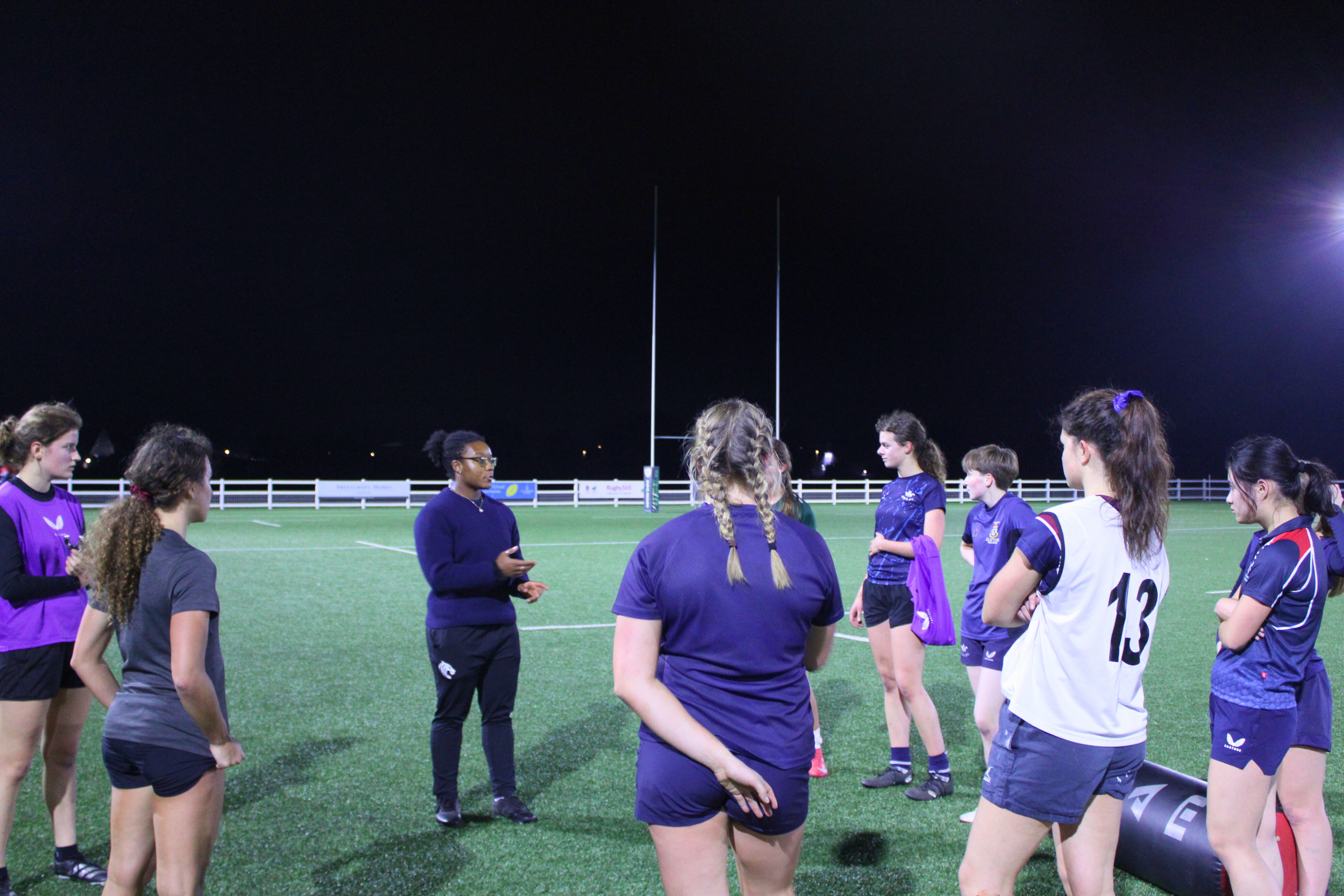
We play sport because we enjoy it - because it’s an outlet, a challenge, a space to express ourselves. From grassroots to elite level, fun is fuel. It drives engagement, creativity, and connection.
When players look forward to training, they bring energy and openness - two things every coach wants more of.
2. Development and Growth
In our work, athlete development consistently ranks in the top three factors that distinguish strong coach–athlete relationships from poor ones.
As humans, we’re wired to grow. We want to improve, to learn, to master our craft.
Great coaches not only facilitate that growth for their athletes - they model it themselves.
That’s why the best environments make space for coach development too. Whether it’s through one-to-one support, CPD opportunities, or mentoring, thriving coaches create thriving environments. And when staff grow, so do results.
3. Strong Connections
The quality of our connections is the number one predictor of a happy, healthy, and fulfilling life. And that’s no different in sport.
Coach–athlete relationships play a crucial role in both performance and wellbeing. Research consistently shows that managers and head coaches have the biggest influence on the wellbeing of their teams.
And when wellbeing improves, so does behaviour, energy, and ultimately, performance.
Connection matters beyond the pitch, too. In team environments, having even one genuine friend can transform a player’s experience. The same goes for coaches and support staff - when relationships are strong, the quality of work and atmosphere improve dramatically.
4. A Sense of Belonging
Belonging is a basic human need - and one of the most powerful drivers of motivation.
“Belonging is a wildly undervalued condition required for human performance.” - Owen Westwood
When belonging is absent, insecurity triggers our body’s stress response - our heart races, our focus narrows, and our ability to think clearly and connect with others diminishes.
When belonging is present, our brain releases oxytocin, serotonin, dopamine, and endorphins - creating calm, trust, empathy, and cooperation. This chemistry doesn’t just make people feel good - it makes teams work.
Belonging is built through shared purpose and story.
When individuals see how their role connects to something bigger, motivation shifts from self-preservation to collective success.
That’s when culture becomes powerful - when people are not just part of a team, but part of a cause.
5. Clarity
Clarity is often the missing ingredient in underperforming teams.
Clear goals.
Clear values.
Clear standards.
Clear communication.
When everyone understands what success looks like - and how to get there - motivation, trust, and alignment follow. It’s not about perfection; it’s about consistency and understanding.
Bringing It All Together
When teams have strong connections, a sense of belonging, and clarity, they create environments where people can ask questions, share ideas, and challenge each other constructively - without fear of judgment or blame.
That’s what true psychological safety looks like.
To help you reflect on this, we’ve included a 1-page Great Team Culture Checklist - a quick reference to guide you as you build or refine your team environment.

Want to know out more?
At Peak Team Performance, we partner with coaches, teams, and organisations to define what a great culture means for them - and to make it a lived reality, not just a poster on the wall.
If that’s something you’d like to explore, drop us a message - we’d love to connect and chat about how we can support your journey.