Managing Menstrual Cycle Symptoms: The Basics
Practical Strategies to Train and Perform during Every Phase of your cycle
If you’ve already started tracking your cycle, this a great place to start. If not it’s worth taking a few minutes to read our Menstrual Cycle Monitoring guide.
Everyone’s cycle and their experience of it is unique, and symptoms can vary not only from person to person, but also from month to month and across different stages of life.
By understanding your individual patterns, you’ll be in a much stronger position to manage symptoms effectively and optimise your training and performance. Once you know what to expect, you can respond proactively instead of reactively, and reduce some of the frustration around symptoms.
Start with the big picture
If you’re feeling fatigued, low in motivation, or below your usual training standard, its worth thinking about your symptoms in the context of your cycle while also considering:
Sleep
Nutrition
Training load
Stress levels
Menstrual symptoms are strongly affected by these factors and often small adjustments can significantly reduce symptom severity.
Managing Period Pain & Physical Symptoms
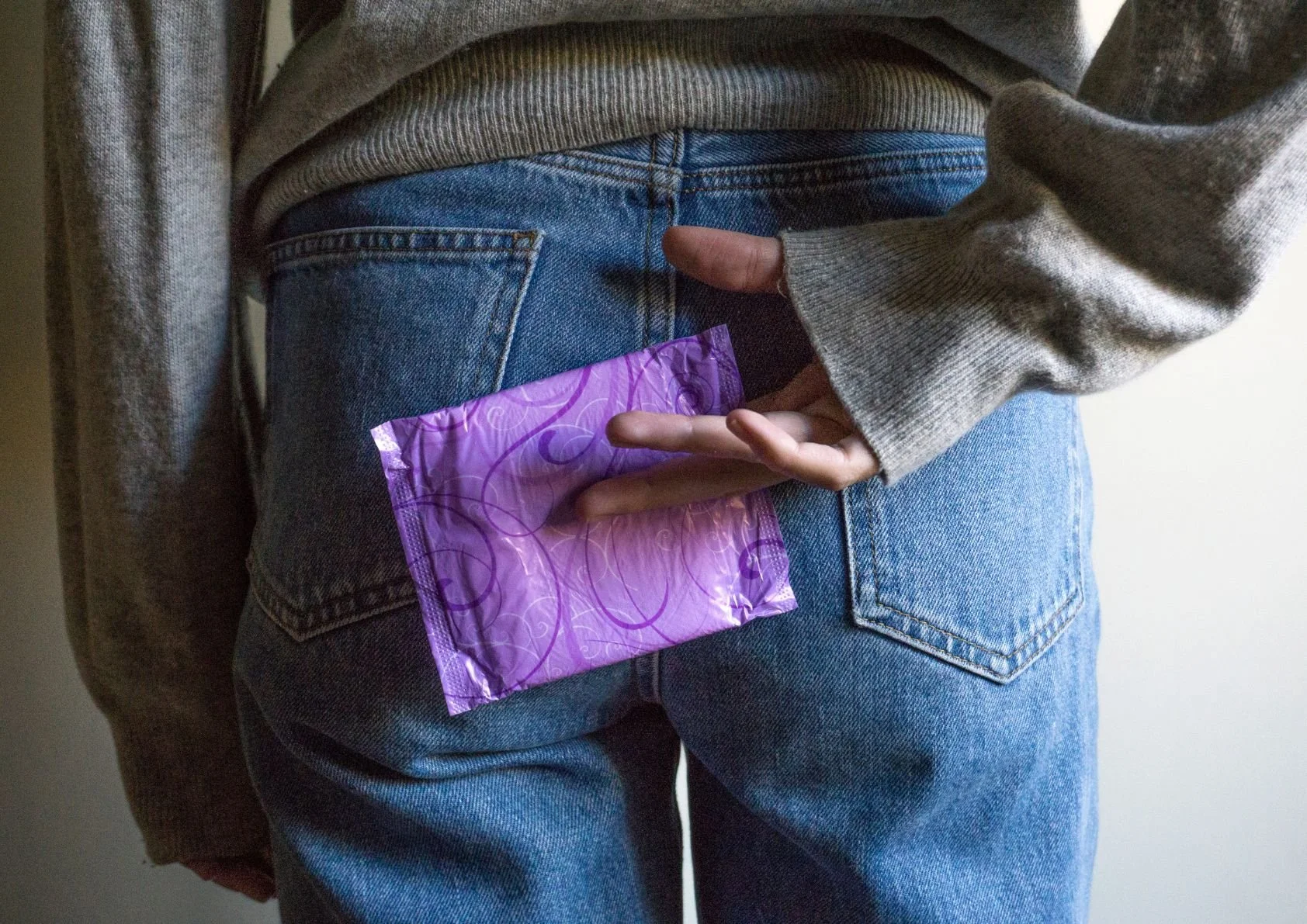
During menstruation, the uterus sheds its lining, which can cause cramping and inflammation.
Helpful strategies to manage period pain include:
Applying heat (heat packs or hot water bottles)
Over-the-counter pain relief such as paracetamol or NSAIDs for cramps, backache, or headaches*
Beginning pain relief a day before expected pain (cycle tracking will help you to anticipate this) and taking it consistently while symptoms are present can also be helpful as waiting until pain becomes severe reduces effectiveness.
If you experiences headaches during your cycle consider reducing high caffeine intake.
Some athletes also find peppermint tea can support digestive comfort.
*Always consult your doctor or pharmacist before taking medication. Athletes should also check all medications against anti-doping regulations (e.g. Global DRO).
Managing Mood, Stress & Focus
Hormonal changes throughout your cycle have a big impact on menstrual cycle symptoms, but they're not the only thing. Emotional stress from rugby, work or school, and everyday life also influence your cycle-related symptoms and how you experience them.
Hormonal fluctuations and stress levels can contribute to:
Low mood
Irritability
Anxiety
Poor concentration
Proactively addressing any stressors (either at rugby or away from it) can help to reduce the impact on your cycle. If this is something you struggle with and you feel you would benefit from additional support, it may be helpful to speak with a mental health professional, your doctor, or a sports psychologist who can guide you through various strategies and support options for managing stress.
Training Adjustments
Exercise is really important for both mental and physical wellbeing and has been shown to reduce the impact of many menstrual cycle symptoms. That being said every athlete is different and some people will find certain forms of exercise harder to tolerate depending on the day of their cycle.
There’s no right or wrong when it comes to training adaptations.
Continuing with your usual training routine can help some athletes manage symptoms.
Light movement, such as walking or yoga, may ease cramping and discomfort.
Slightly reducing intensity can make training feel more manageable for some people.
For some athletes, maintaining normal training has a positive effect on pain and overall wellbeing, whereas others might need to adapt their training week. It all comes down to what feels right for you.
Breast Support & Comfort
Breast tenderness and size can fluctuate across the cycle. Having different sports bras for different times in your cycle can improve comfort during training if this is a symptom you find noticeable. You can check out our sports bra guide here.
Key Takeaways
Effective menstrual cycle management is about working out what works for you, understanding patterns in your cycle and listening to your body.
Track consistently to anticipate your symptoms and understand your patterns
Treat physical symptoms with heat, caffeine reduction, gentle exercise and effectively timed pain relief medication where appropriate
Consider adapting training intensity if this feels right for you
Explore stress management techniques to help reduce the impact on menstrual cycle symptoms