Why Carbs are Essential Before Training
Why carbs are matter for training & games
Carbohydrates are the body’s preferred fuel for high-intensity exercise, especially in a stop-start sport like rugby where collisions and repeated efforts cost a lot of energy pennies. Carbohydrates provide fast-releasing energy to help reduce fatigue and maintain focus, decision-making, and skill during training and games - all of which support performance and help reduce injury risk. Adequate carbohydrate also supercharges your training adaptations, allowing you to train harder for longer with better quality.
Here we’re focusing on what and when to have a final carbohydrate top-up before training or kick-off. If you want to know more about how much carbohydrate you should be eating check out our carb and protein requirements guide.
carbohydrate timings
We want to aim for an easily digested carbohydrate snack 30-60 minutes before training or a game. Just before warm-up is a great time - this acts as your final energy top-up. Check out our full game day fuelling guide for more info on this!
What carbs should i eat?
When we say easily digested, we mean a snack that is low in protein, fibre, and fat. These nutrients slow digestion and can increase the risk of bloating, cramps, or feeling sluggish when eaten close to training or kick-off. Easily digested options are usually refined carbohydrates or simple sugars, such as:
Cereal or oat bars
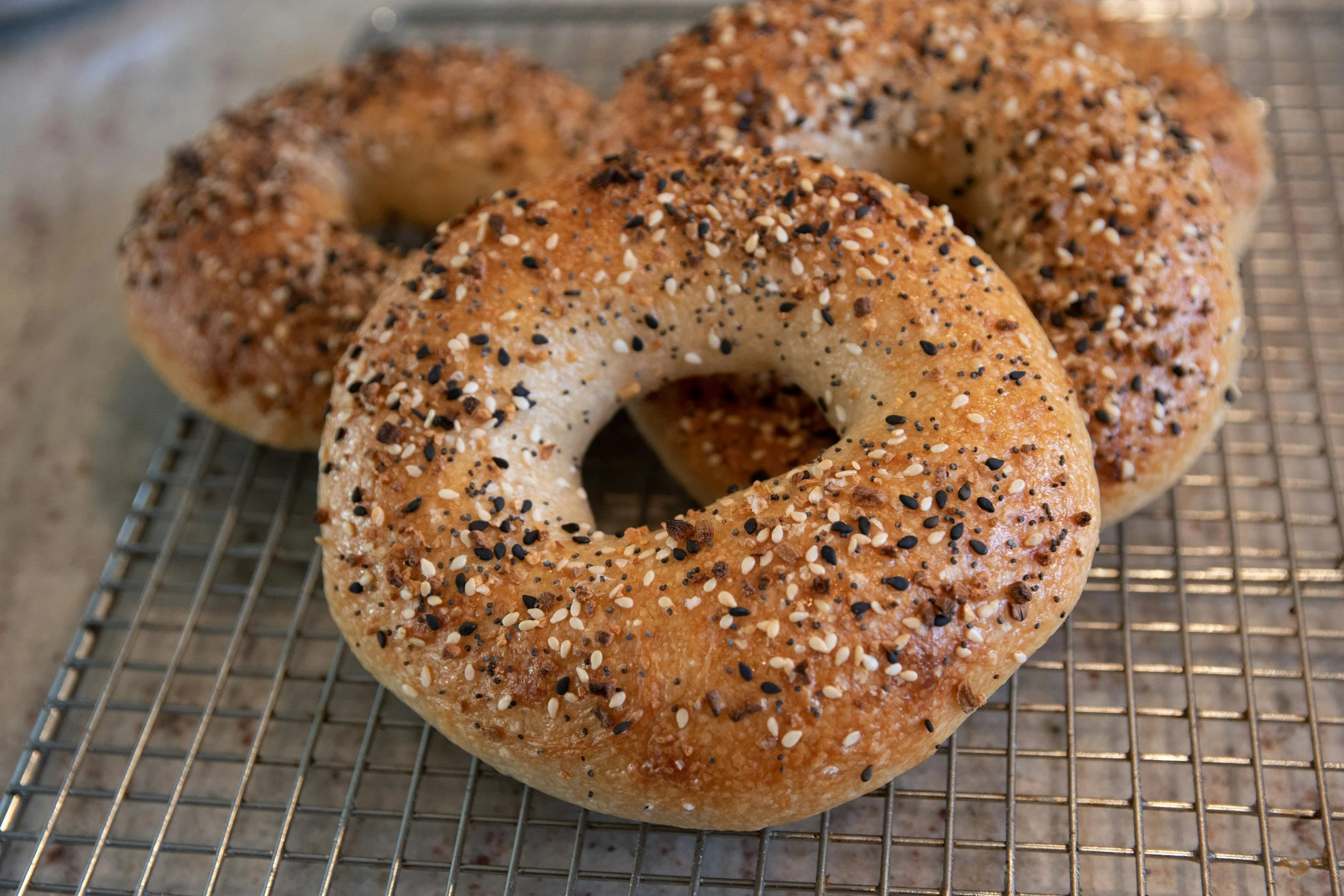
White bagel or toast with jam or honey
Fruit juice or a smoothie
A handful of jelly babies
2–3 rice cakes
A carbohydrate gel
The goal is low volume but high energy - you don’t need to eat a lot to get the carbohydrate you need. Running around with a stomach full of couscous or fruit won’t feel great!
If nerves affect your appetite, liquid options or a favourite sweet can be an easy and more palatable choice.
Trial your nutrition choices in training
It’s important to trial different snacks in training so come game day you know what works for you. Try keeping a note in your phone for different snacks:
Rate your energy during the session (out of 5)
Note any symptoms (e.g. bloating, nausea, low energy)
This helps you learn what works best for you. There’s no one-size-fits-all - what works for a teammate might not work for you, and that’s the brilliance of nutrition. It’s as individual as your fingerprint.