Mental Health & Wellbeing
Performance nerves & anxiety

feeling nervous before a game?
You’re not alone
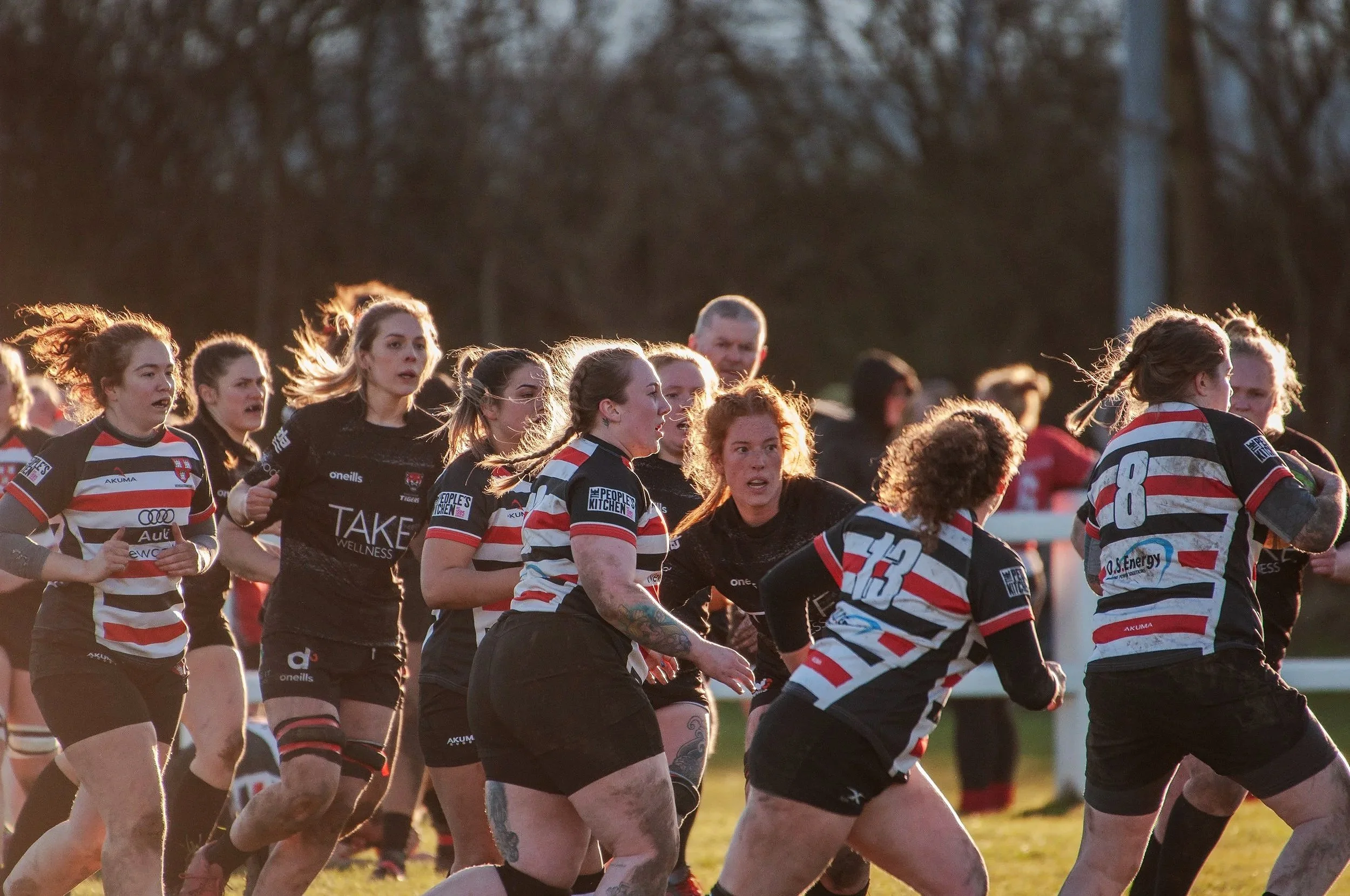
Feeling nervous is normal! Nerves are your body’s way of getting ready to perform and so most players will deal with anxiety or nerves around games or training. Nerves aren’t a bad thing - it’s how you think about them that matters.
We’ve worked with Sports Psychologist and athlete Jess Brady to provide mental skills and techniques you can use to manage nerves in a way that helps rather than hinders your performance.
What does anxiety around performance feel like?
Anxiety can affect you both mentally and physically and manifests in different ways. This can feel like:
Mind: Self-doubt and poor focus
Body: Fast heart-rate, butterflies and tension
Too much anxiety can affect your skills and your confidence and make it harder for you to perform on game day or at training.
why it happens
Pressure
When we experience pressure our brain senses threat
Adrenaline
This sense of threat triggers the release of adrenaline
Fight or Flight
The adrenaline then switches our bodies in to fight or flight mode
The Sweet Spot
Ideal Zone of Optimal Functioning
Everyone has an ideal level of nerves which help to support their performance rather than hindering it. For optimal functioning we don't want to be too calm but we also don’t want to be overwhelmed. We’re all different and it’s about learning what works best for you as a person and as a rugby player.
✔ Not too calm
✔ Not overwhelmed
How to Manage Nerves
-
✔ Reframe nerves as excitement
✔ Focus on the present
✔ Positive self-talk -
✔ Slow breathing
✔ Relax your muscles using Progressive Muscle RelaxationWhat is Progressive Muscle Relaxation?
In progressive muscle relaxation, you tense and then relax each group of muscles in turn, working your way through the whole body.
Start by slowing your breathing
Breathe in and tense your first muscle group and hold for around 5 seconds. Make sure you’re not tensing too hard - you shouldn’t be at the point of cramping!
Breathe out and quickly release that muscle group
Relax for 10-20 seconds before moving on to the next muscle group
-
Planning ahead can reduce panic.
Ask yourself:
✔ What situations make me nervous?
✔ What will I do if that happens?It can also be helpful to ensure you have everything you need for a game or training prepped in advance to minimise stress:
✔ Write a list to ensure you have any kit, food or drinks you need
✔ Leave enough time so you’re not rushing -
Think about how you will handle different scenarios you may face and plan how you will handle them. For example: If I feel anxious before kick-off, then I will slow my breathing and refocus.
This could Include:
✔ Breathing
✔ Self-talk
✔ Grounding -
Think about why you play rugby
Meet your coach
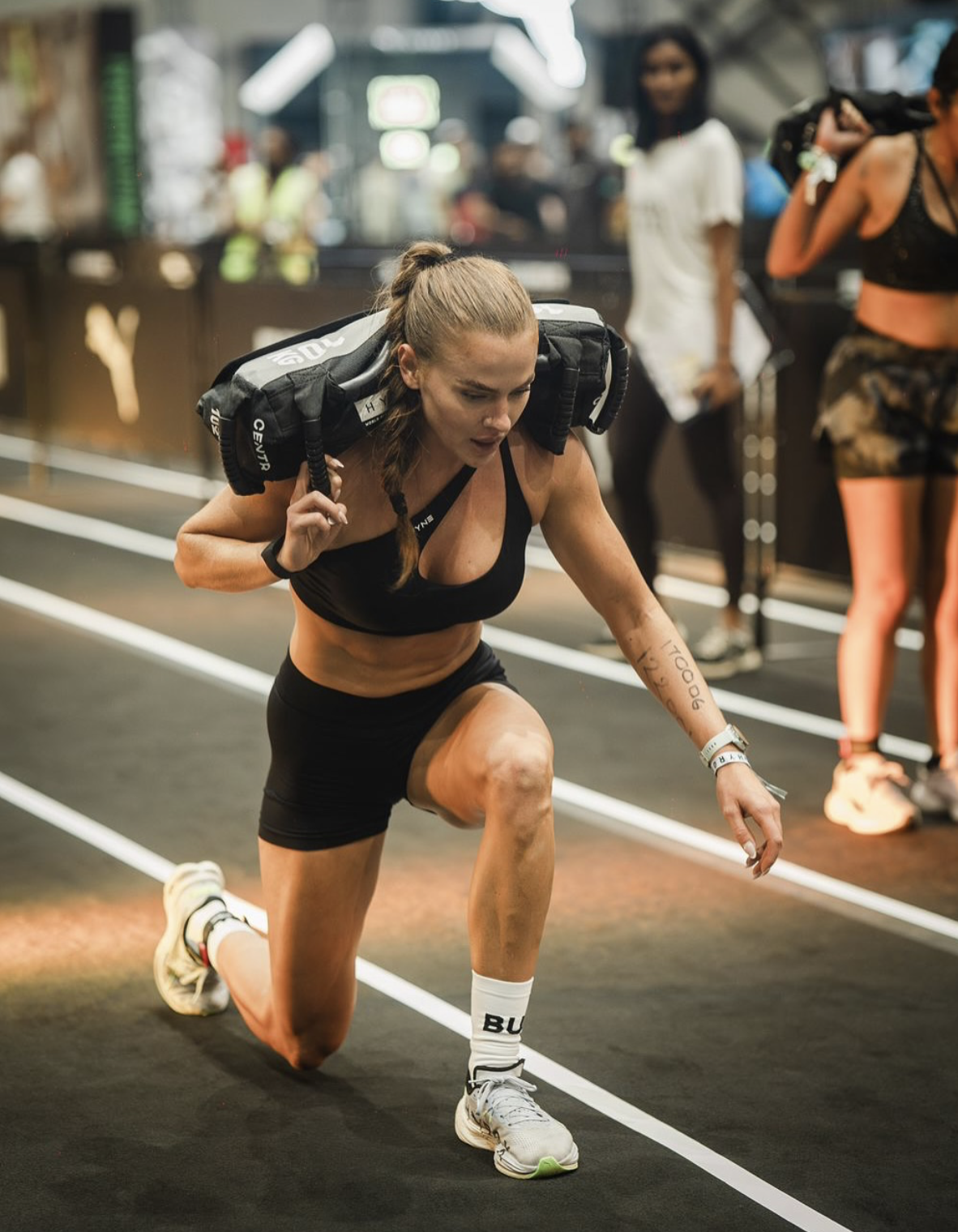
With a Masters in Sport and Exercise Psychology, and as an athlete herself, Jess understands the pressures of performing at the highest level.
She works with women in sport as a chartered psychologist covering exercise and mindset, nerves, injury, body image, confidence, gym anxiety and more!