Women’s Health
Pelvic Floor Health

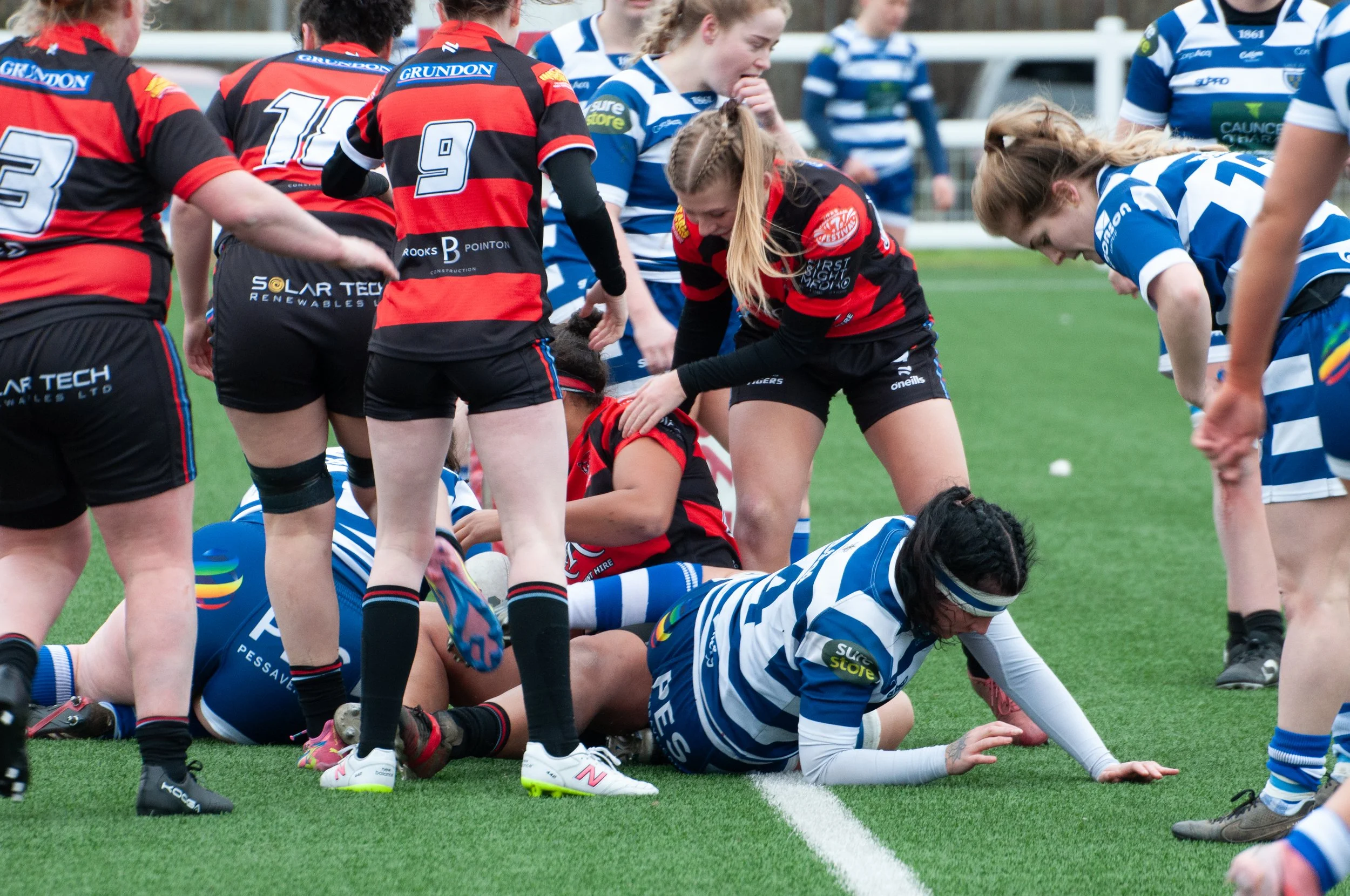
1 in 3 women in the general population, and over 50% of female rugby players experience urine incontinence.
Tackling, running and jumping are the most common causes
Whilst it’s really common, it doesn’t mean it’s something we should accept, so we’ve teamed up with Sale Sharks Women’s Lead Phsyiotherapist Abi Okell to help understand the role of the pelvic floor and to recognise pelvic floor issues.
why it matters for female rugby players
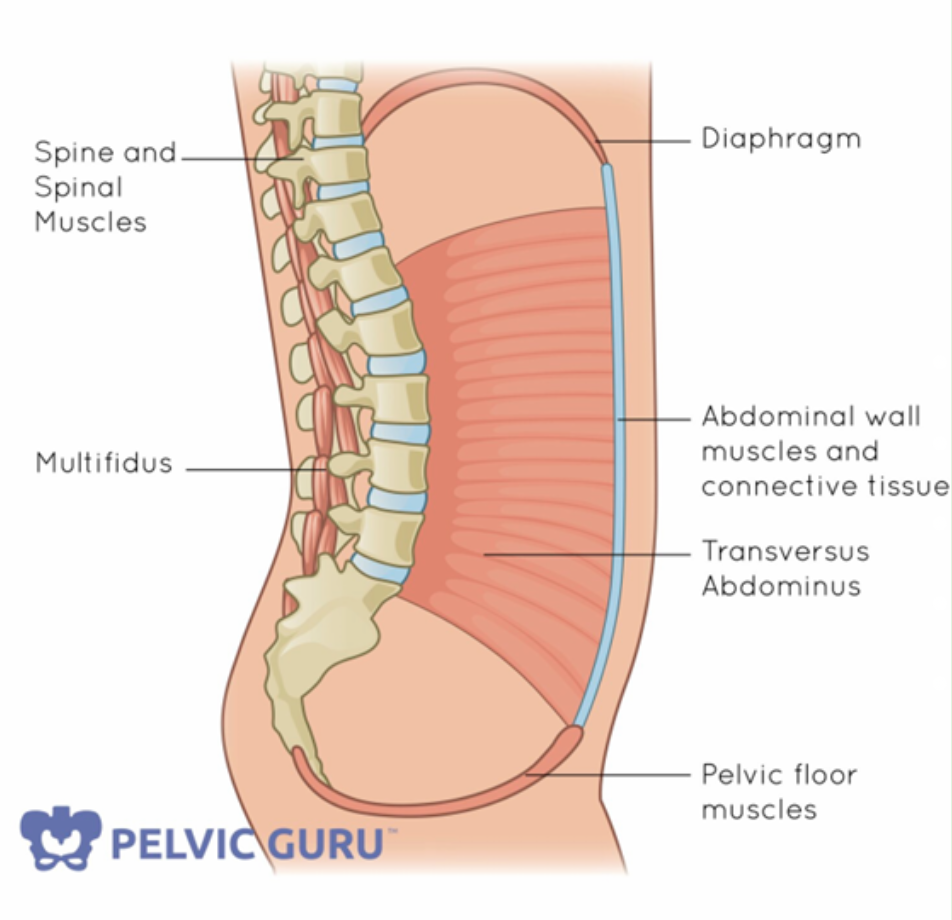
The pelvic floor is a hammock of muscles that sits at the bottom of the pelvis ands provides support for our pelvic organs (bladder, uterus, bowels).
Its job is to prevent urine and bowel leakage by contracting, and to enable us to go to the toilet by relaxing. It’s also involved in sexual function and satisfaction.
So What is the pelvic floor?
Pelvic Floor Dysfunction
What it is
Urinary incontinence
Urinary urgency
Pelvic organ prolapse
Faecal incontinence
Pelvic pain
Constipation
Sexual dysfunction
risk factors
Being female!
Age
Hormonal contraception
Child-birth
Increased BMI
High impact activities
Constipation
Low energy availability
Tension
Incontinence
Pain
Heaviness
Pressure
Frequency
Painful sex
Constipation
Not fully emptying bladder
Difficulty with tampons/menstrual cups
Difficulty starting flow of urine
Symptoms
Weakness
Incontinence
Pain
Heaviness
Pressure
Frequency
Reduced sensation
Nocturia
Dragging
Avoid constipation
Adequate fluid intake
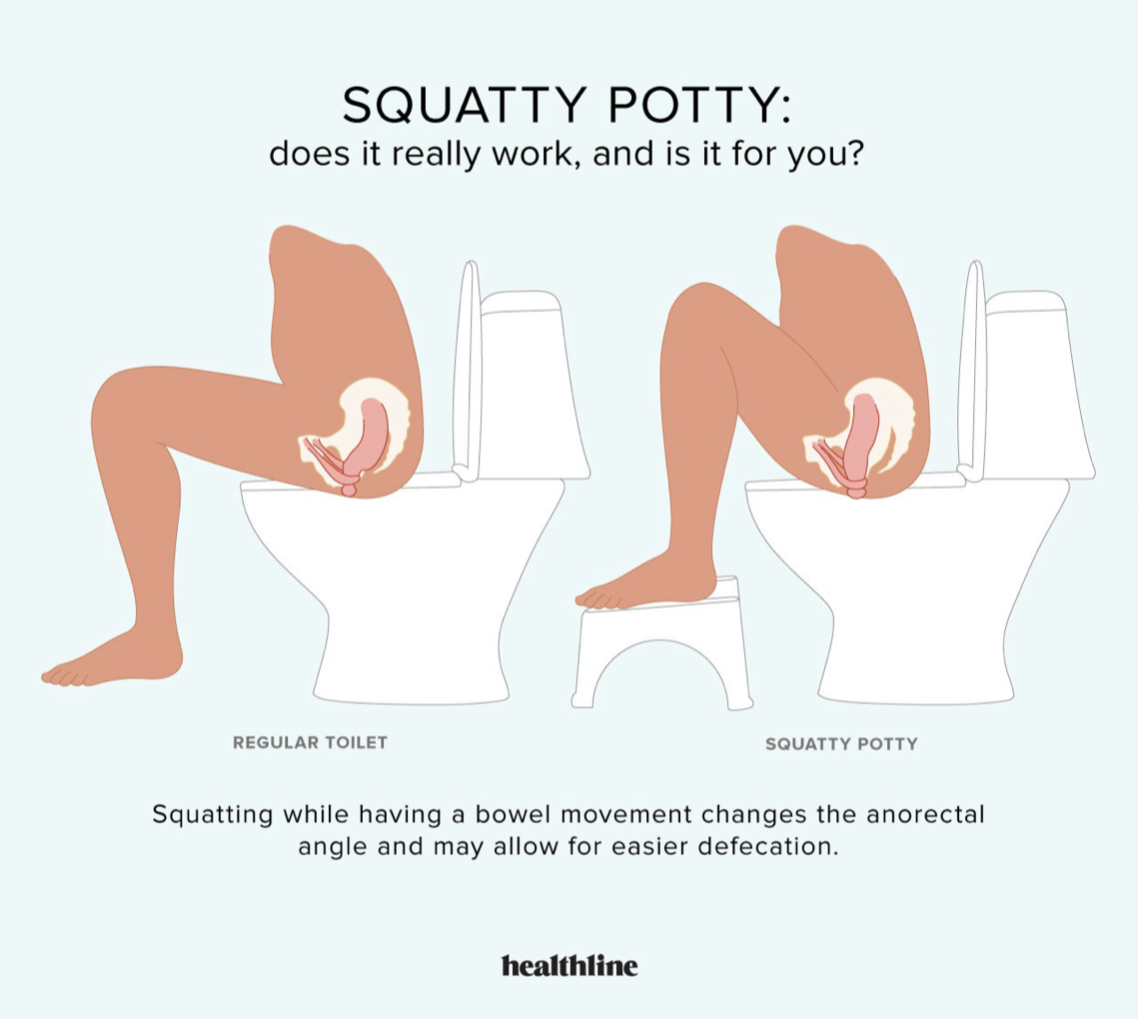
Optimal toilet position and habits (eg. Squatty Potty)
Pelvic health physiotherapist
Exercise consideration/adaptations
Prevention & Management
Pelvic Floor Muscle Training
-
Get into a comfortable sitting or lying position
Relax all other body parts: your tummy, your glutes, even your face
Have a good breath in
As you breathe out, imagine picking up a small magic bean with your anus and vagina and pull it up towards your belly button for two seconds
Drop it, relax and let go as you take another breath in
Repeat x 10
-
We can’t rely on general physical exercise to improve pelvic floor strength
Pelvic floor muscle training should be a key part of treatment for all pelvic floor dysfunction
-
A great way to understand why a pelvic floor that is too tight can cause issues is the Spring Analogy.
TIGHT PELVIC FLOOR
A tight pelvic floor like a tightly coiled spring which is unable to absorb shock or impact. You can’t make a coiled up spring contract any further, so when you need more support, it’s got nothing to give.NORMAL PELVIC FLOOR
A normal pelvic floor (like a loosely coiled spring) should have enough give to absorb shock. It should also have the capacity to contract, so that it can effectively manage pressure around your pelvic organs.
Breathing Techniques
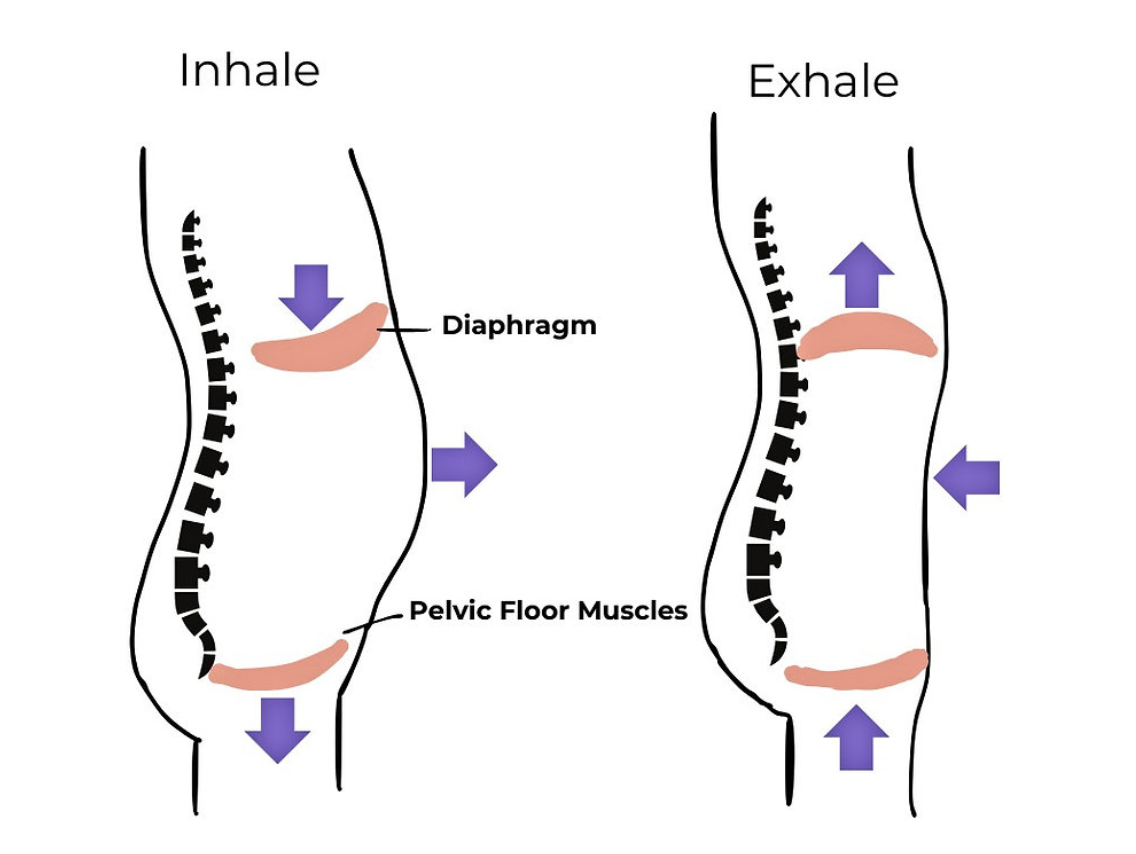
As you breathe in focus on expanding your belly, then as you exhale focus on contracting it again. You can find a video which helps you to visualise this breathing technique here.
Key Takeaways
✔ Start exercising your pelvic floor regularly!
✔ Track your bowel and bladder habits and recognise changes
✔ Don’t accept leaking as part of being active
✔ Ask for help and seek expert advice and assessment when needed

Meet your coach
Abi is currently the Lead Physiotherapist for Sale Sharks Women and specialises in Female Athlete Health, covering topics like the menstrual cycle, breast health, pelvic floor health and more.
As well as rugby-specific knowledge, Abi also has a huge amount of experience working with elite athletes across sport including with British Wheelchair Basketball and British Para Snowsport, the Olympic Alpine, Moguls, Ski Cross and Snowboard Cross teams.
-
Bø et al. (2017). An International Urogynecological Association (IUGA)/International Continence Society (ICS) joint report on the terminology for the conservative and nonpharmacological management of female pelvic floor dysfunction. Int Urogynecol J; 28:-213.
Campbell et al (2023). Prevalence of pelvic floor dysfunction in recreational athletes: a cross-sectional survey. International Urogynecology Journal 34:2429–2437.
Donnelly, G., Bo, K., Forner, L., Rankin, A. and Moore, I. (2025) Up for the tackle? The pelvic floor and rugby. A review. European Journal of Sport Science, 24: 1719-1734.
McCarthy‐Ryan, Molly, Joanna Perkins, Gráinne M. Donnelly, Yeomans Caithriona, Mairead Liston, Karina Leahy, Kari Bø, Patrick O'Hal loran, and Isabel S. Moore. 2024. “Urinary Incontinence Prevalence and Risk Factors in Female Rugby Union Players: A Common Health Problem across Four Nations.” BMJ Open Sport & Exercise Medicine 10(1): e001832. https://doi.org/10.1136/bmjsem‐2023 001832.