Mental Health & Wellbeing
Mental health resources
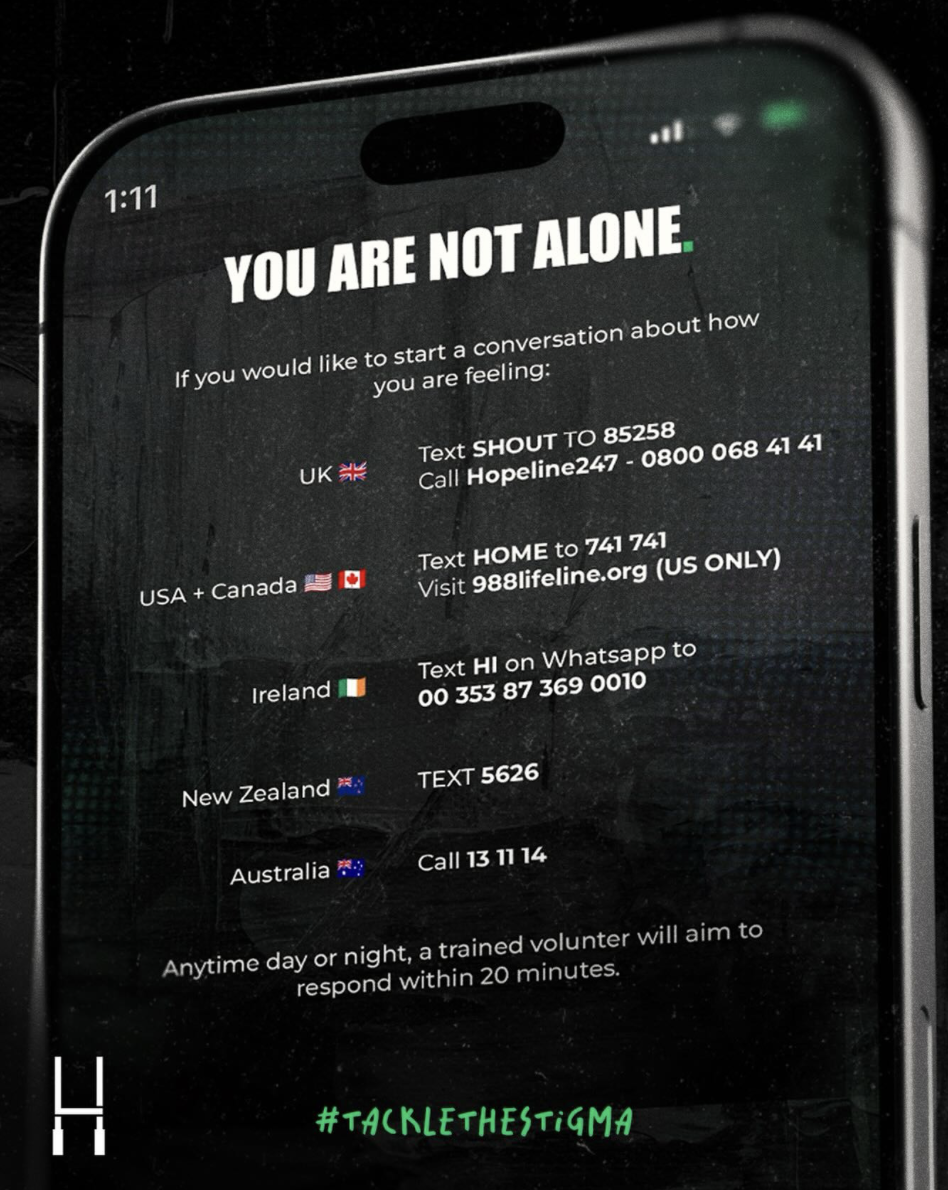
where to get mental health support
We’ve partnered with LooseHeadz and Sports Psychologist, Jess Brady, to help provide signposting and support for mental wellbeing and on pitch performance. There are some great top tips and resources here that you can use, however the following are (UK based) services you can contact for time sensitive support.
-
In an emergency call 999 (UK) or immediately go to your local Accident and Emergency department
If your life is in danger (for example you are at risk of taking your own life or have seriously harmed yourself).
If the life of someone else is in danger (for example they are at risk of taking their own life or have seriously harmed themselves).
If you or someone else needs immediate help and you are worried about safety.
If you are not able to do this yourself, ask someone else to help.
-
When it’s not life threatening but you need urgent medical advice:
Call 111 (UK)
Book an emergency GP appointment.
Contact your local mental health crisis team.
If you are not able to do this yourself, ask someone else to help.
-
There are different helplines and listening services available that can provide emotional support. To find out which services operate in your country you can visit: The International Association for Suicide Prevention
If you are based in the UK LooseHeadz’ Resources & Support page provides details of services you can contact for support.
Why is mental health so important?
🧠 1 in 4 people are affected by mental illness.
🕓 Every 40 seconds someone dies by suicide.
🌎 14.3% of deaths worldwide are attributed to mental illness.
🏉 92% of LooseHeadz’ followers say rugby supports their mental health, but only 54% feel their clubs are doing enough.
Having conversations
tips for Supporting your teammates
✔ Listen carefully to what they tell you
✔ Don’t try to diagnose
✔ Don’t try to second guess their feelings
✔ Set time aside with no distractions
✔ Let them share as much or as little as they want to
✔ Keep questions open ended
✔ Talk about self-care
✔ Offer them help in seeking professional support
Ideas for Questions
"How are you really doing?"
"How are you on a scale of 1 to 10?"

Mental health charities


mental fitness TIPS
-
LEARN: Stay curious and continue to learn, from noticing what’s around you to listening to a podcast to learning a language.
-
OPENNESS: When you’re struggling with your mental health, be open and honest. Don’t hide away. Speak to your LooseHead or visit our website for organisations to connect with.
-
OUTSIDE: Get outside! Get some sunlight and be in nature. Nature can be anything from a garden or a local park to a beach or the open countryside. The places that are best for us are often described as ’green’ and ’blue’ – the colours of trees, plants and water.
-
SUPPORT: Find your support system and stay in contact with them. Regularly check in with each other, a simple question is “How are you from 1 to 10?”
-
EMOTIONS: Develop awareness of your feelings and emotions. The more you practice being aware of your feelings, and how they change in different situations, the better your ability to understand and manage them will be.
-
HELP OTHERS: Find ways from the big to the small. Whether individuals or charities, this can reduce stress, improve our emotional wellbeing and create a sense of belonging within our communities, and reduce isolation.
-
EXERCISE: Physical activity is so important for your mental health. If rugby is pressurised, find another way to move, maybe walking, tennis or yoga. Or if you’re injured, create an injury club so you’re not in it alone, stay part of the community.
-
ALCOHOL: Be aware of using alcohol and or drugs to manage difficult feelings – such as sadness, fear or shame. Whilst it might feel like temporary relief, they don’t stop the feelings from returning and may make things worse or create other problems. If you notice this in yourself, try not to beat yourself up and if you’re able ask for help.
-
DIARISE: Plan things to look forward to, with people you like to spend time with. From the small to the big, have fun, and commit to it, especially when life gets busy.
-
ZZZ: Sleep, if possible in this season of life, prioritise it. Adults need 6-8 hours and children 8- 10, do your very best not to compromise it. And in seasons when sleep is challenging, be kind to yourself and let others around you know.
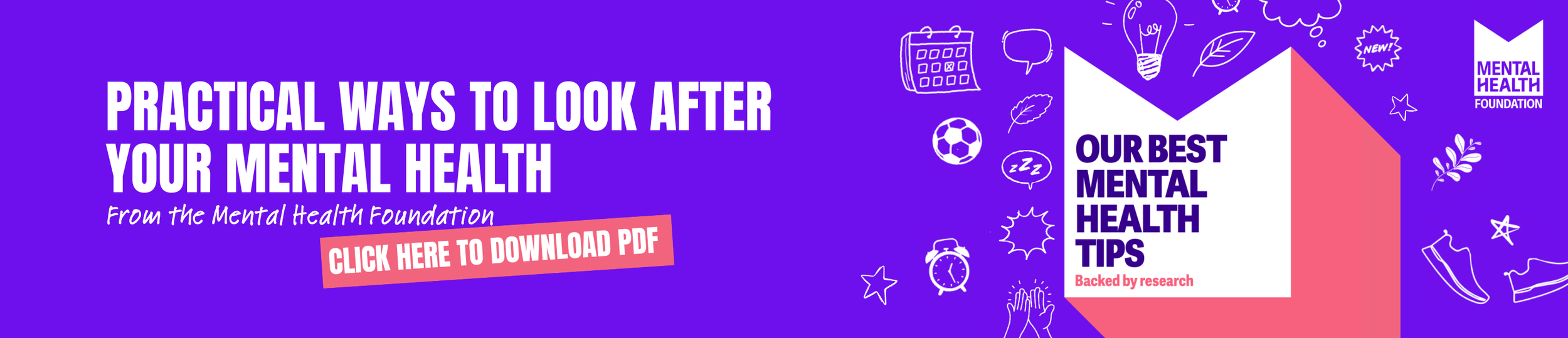
As part of their mission to #TackleTheStigma, LooseHeadz have some simple strategies to help improve mental fitness.

FAQs
-
Everyone is different, and their experience is unique. Different people face different issues when it comes to mental health and it’s important to know that someone who seems OK might actually be struggling underneath. It is not our place to diagnose, but it is important to be aware and proactive in recognising signs of poor mental health.
Some signs in a rugby context could be:
Being out of character, perhaps they are more withdrawn or are showing a noticeable change in alcohol drinking habits
Struggling to focus as normal in training and games
Struggling to accept that they cannot control every area of their performance
What to look out for:
Mood changes
Sleep disturbance
Becoming withdrawn
Changes in eating or drinking
-
Rugby clubs are unique, with their own culture, strengths, resources, and challenges. What works at one club might not work for another. However, something every rugby club can strive towards is kindness, and kindness doesn’t mean being less resilient or battling on the pitch any less ferociously!
How can we create kind cultures:
Prioritise the person before the performance
Be welcoming
Invest time in people
Be proactive about checking in, ask people twice how they are, how they really are.
Be present with people, not distracted
Make an effort with those who don’t always join in with social events
Recognise unhealthy relationships and talk openly and sensitively about them
Be generous with whatever you have – time, knowledge, skills etc.
Really listen
Celebrate the small acts of kindness
Mental health in sport
About Looseheadz
LooseHeadz is on a mission to save lives, by placing a 'LooseHead' mental health champion, in every rugby club in the world. They’re committed to tackling stigma and mental health challenges in rugby by:
Connecting the rugby community
Delivering evidence based and practical resources to support mental health which have been created by the rugby community, for the rugby community
Supporting those in our community who need it by sharing professional organisations and services they can access.