Nutrition
nutrition 101
everything you need to know about nutrition
& what should be on your plate
Proper nutrition is vital for rugby players to maintain health and perform optimally on the pitch, but there’s so much confusing and conflicting information out there, that it’s hard to know what to trust.
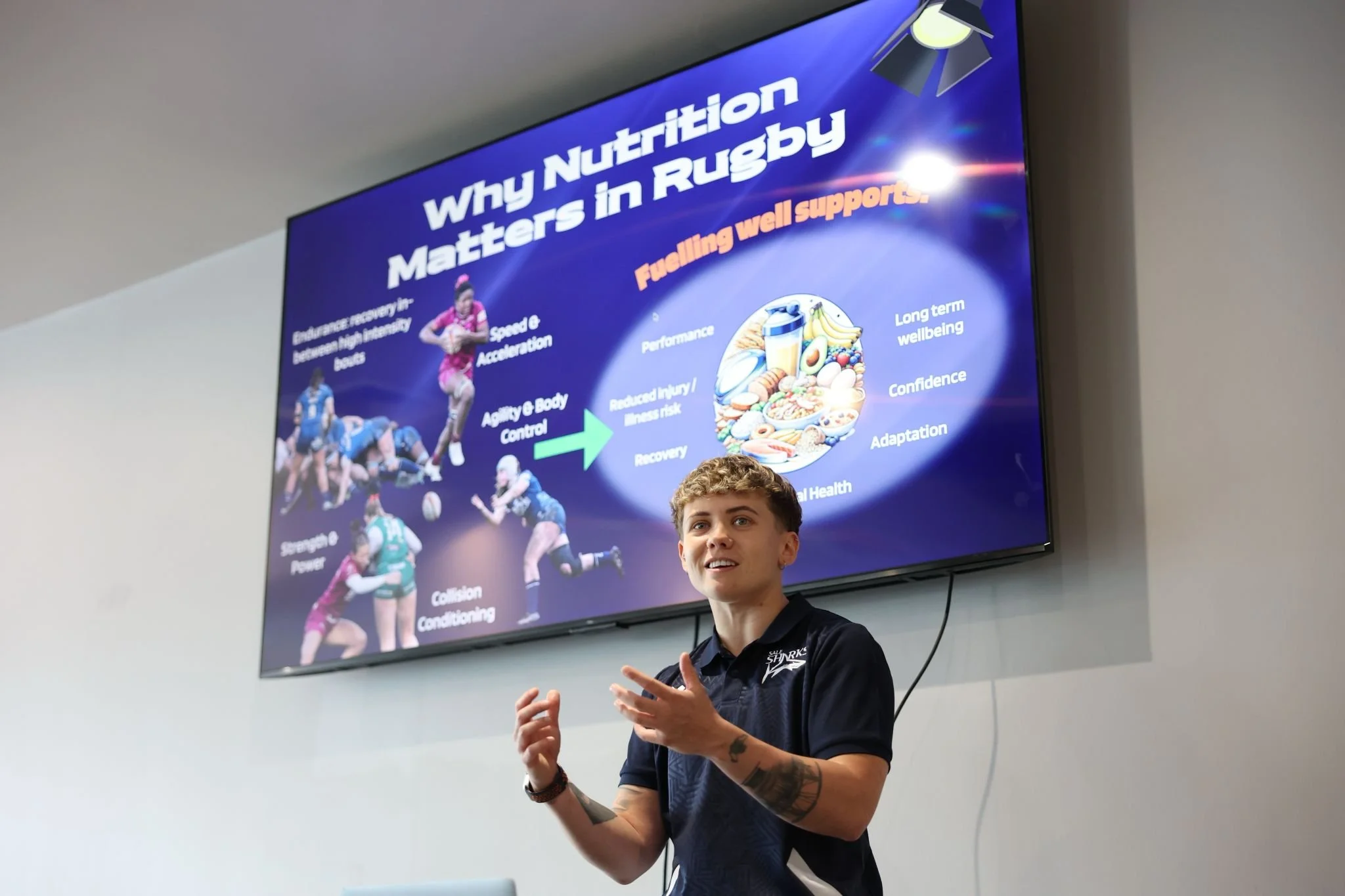
Our Lead Nutritionist, and Nutritionist for Sale Sharks Women, Beth Vickers has all the info on proteins, carbs, fats, dairy, fruit & veg to make the foundations of nutrition easy to understand.
a balanced plate
For a healthful balanced diet we should aim to consume each of the following key food groups across each day:

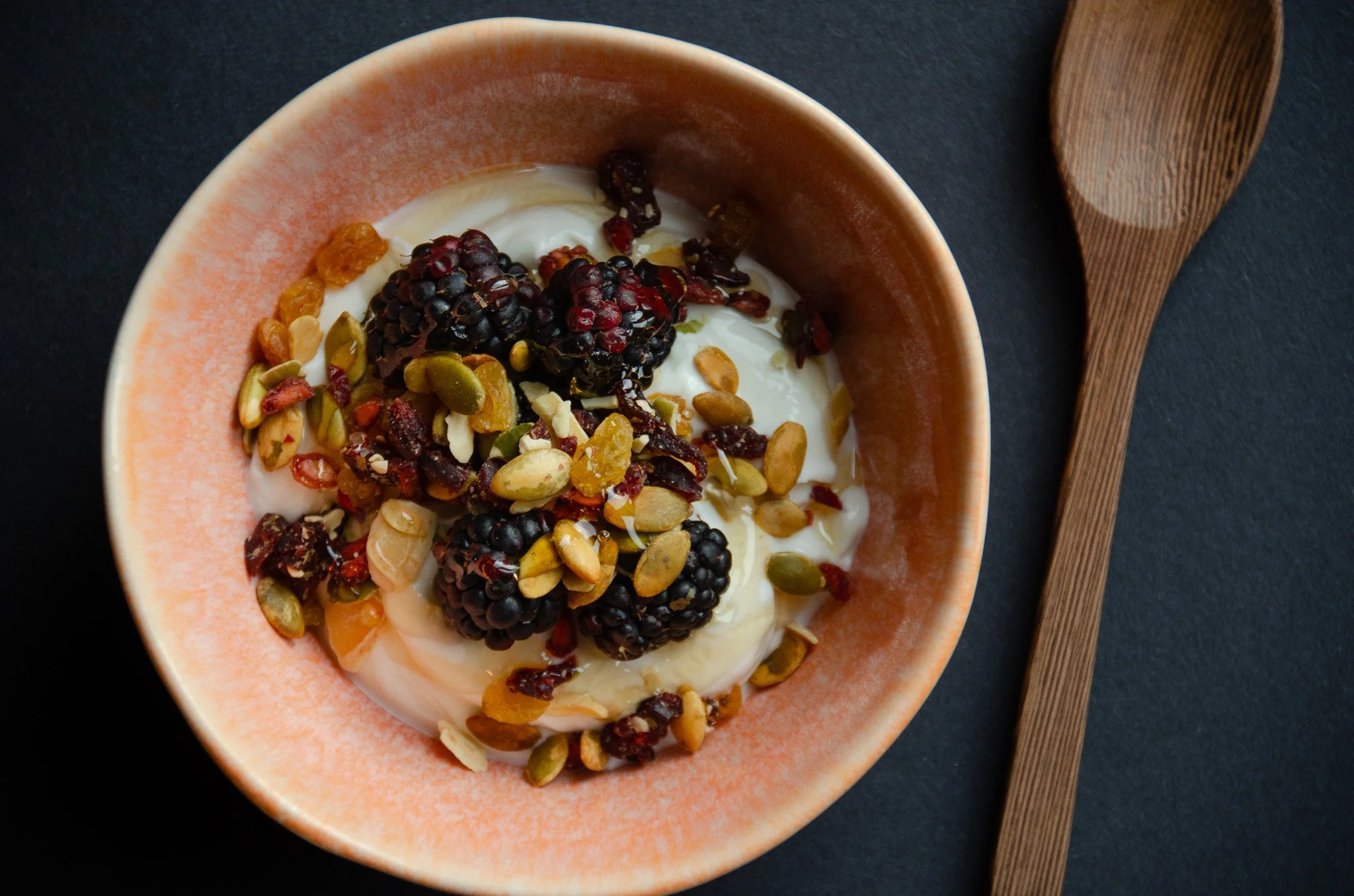
Fruits and vegetables help athletes stay healthy by supporting their immune system, keeping their bodies strong, and helping them recover after training.
Fruit & Veg
-
Aim to eat at least 5 portions of a variety of fruit and veg each day. Choose from fresh, frozen, tinned, dried or juiced.
A portion of fruit or vegetables is 80g or 1 handful, fruit juice or smoothie is 150ml or half a small glass
Carbohydrates
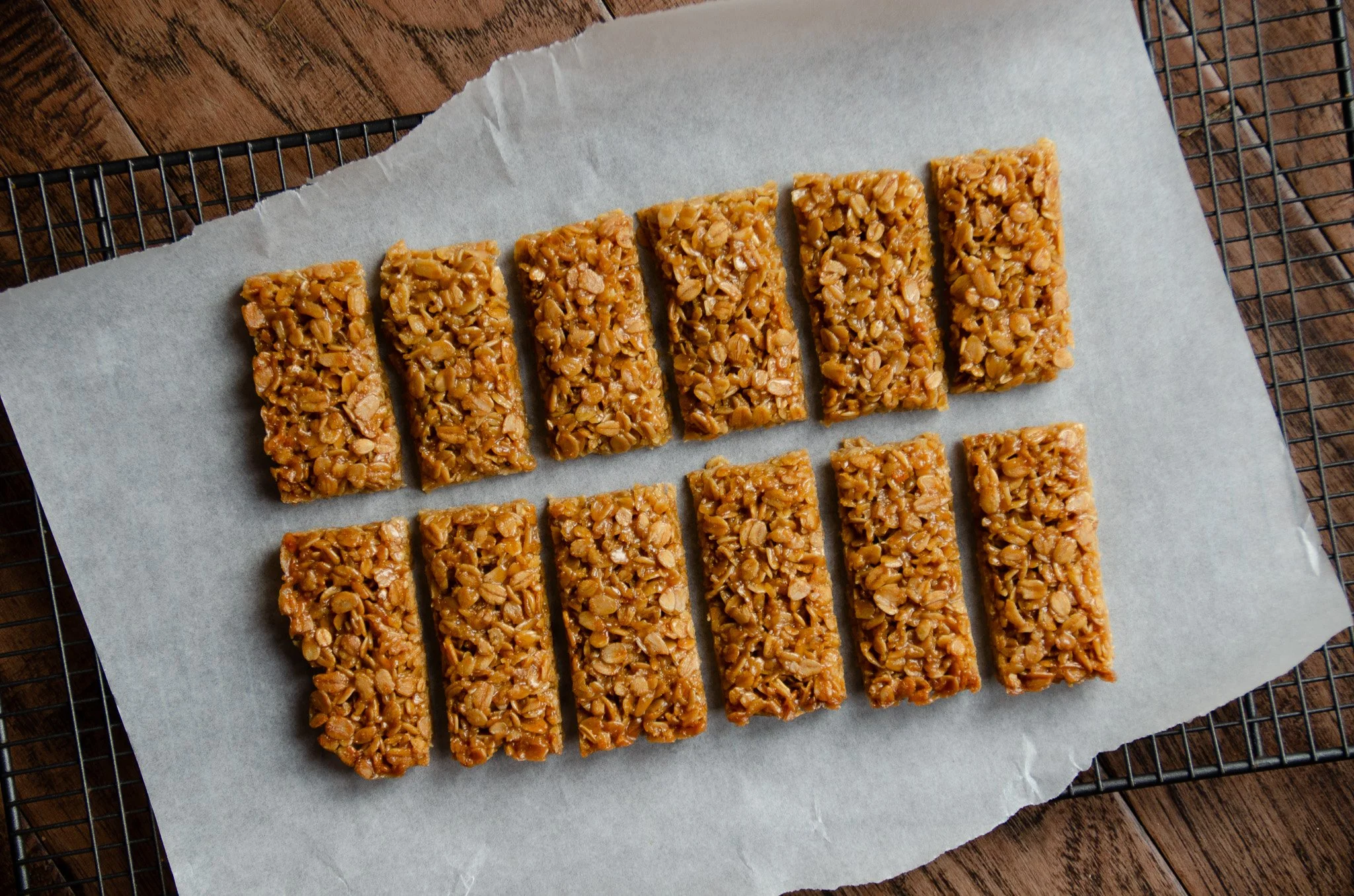
Carbohydrates are the body’s favourite fuel source, especially for high intensity exercise. We need to consume more if our day is more active – fuelling for the work required.
-
We find carbohydrates in bread, potatoes, pasta, rice, cereals, fruit, veggies, juices and smoothies. They can also be found in sweets and confectionary.
-
Some carbohydrates release energy more slowly such as wholegrain brown bread, or wholewheat pasta. These also contain fibre to keep your gut healthy.
Some carbohydrates release energy quickly. These are typically white carbs like white bread and rice, as well as sweets and juices.

Dairy and dairy alternatives are great sources of calcium needed to keep bones and connective tissue strong and support muscle movement. This is especially important when we are growing.
Dairy
-
We find dairy in milk, cheese, yoghurt and fromage frais. Some dairy alternatives also have calcium added (fortified) so check the label to make sure.
-
Try to aim for 4 portions of dairy daily – e.g. glass of milk / milkshake, small pot of yoghurt, handful of cheese.
This is particularly important for younger athletes who are still growing.
Fats
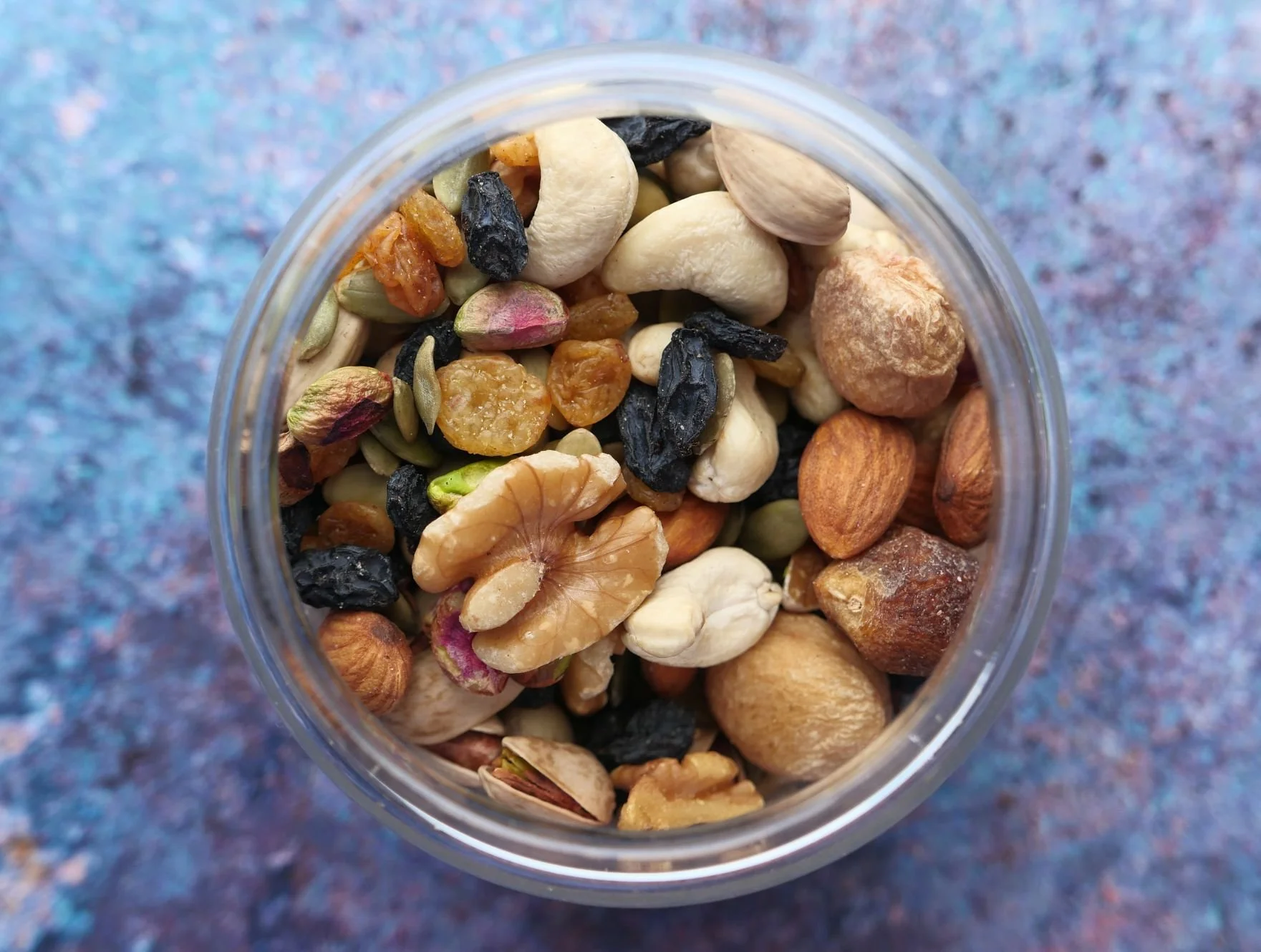
Fats are a great source of energy for rest and light exercise. We also need fat to produce hormones, insulate our body and store vitamins. Fats can be unsaturated or saturated. Unsaturated fats are more healthful and help to keep our brain and heart healthy.
Fats carry lots of energy in small amounts, so we don’t need as much everyday. It can be helpful to add more to our plate if we’re struggling with appetite to make sure we get the energy we need daily.
-
Saturated fats (eat less often and in smaller amounts) – fatty and processed meat, hard cheeses, pastries, cakes, biscuits, butter, lard, coconut oil, fried foods.
-
Unsaturated (healthy) fats – Olive and vegetable oils, olives, avocados, nuts, seeds, oily fish like salmon, anchovies, sardines, herring and mackerel.

It’s important to consume protein with every meal to keep your muscles and bones healthy, supporting recovery and growth. Protein is the building block of everything in the body and has other essential roles in nutrient transport and immune function.
Protein
-
Protein rich foods are meat, fish, eggs, milk, yoghurt, tofu, meat alternatives like Quorn and in smaller amounts in beans, peas, lentils and grains. Lean proteins are found in lower fat meats like chicken, turkey, eggs and fish.
-
If you are following a vegan or vegetarian diet, it’s important to combine 2 different sources of plant-based protein together to make sure we have all nutrients needed e.g. wholegrain rice and peas or corn and beans.
You may also wish to consider a vegan supplement containing iron and vitamin b12 as we can only get these from animal foods. These are needed for oxygen delivery to the muscles and organs.
So that’s the basics…
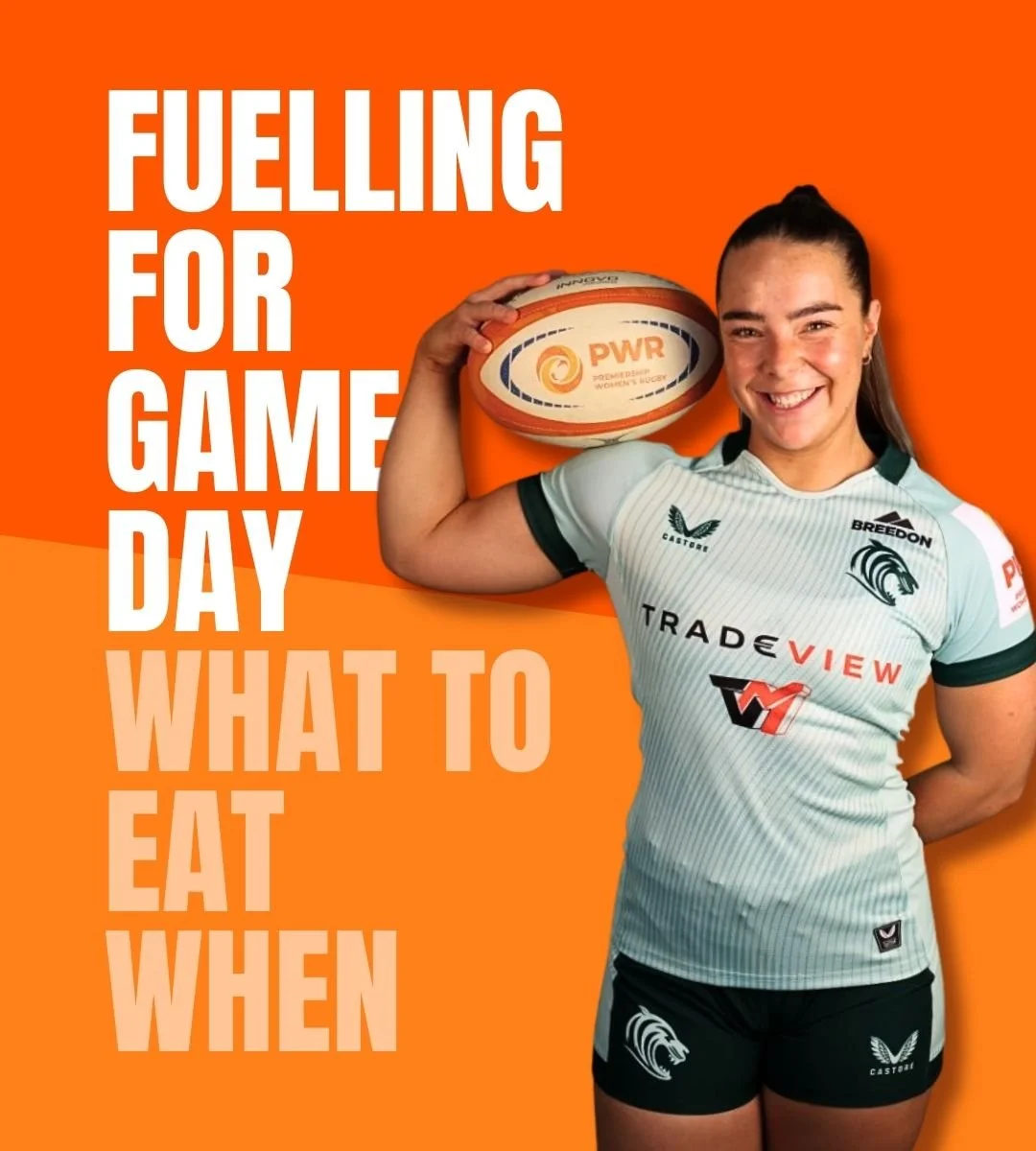
BUT if you want to know more about how much protein you should be getting for your bodyweight or how much carbohydrate you need to eat as a rugby player we’ve got some more in depth guides for you!


Meet your coach
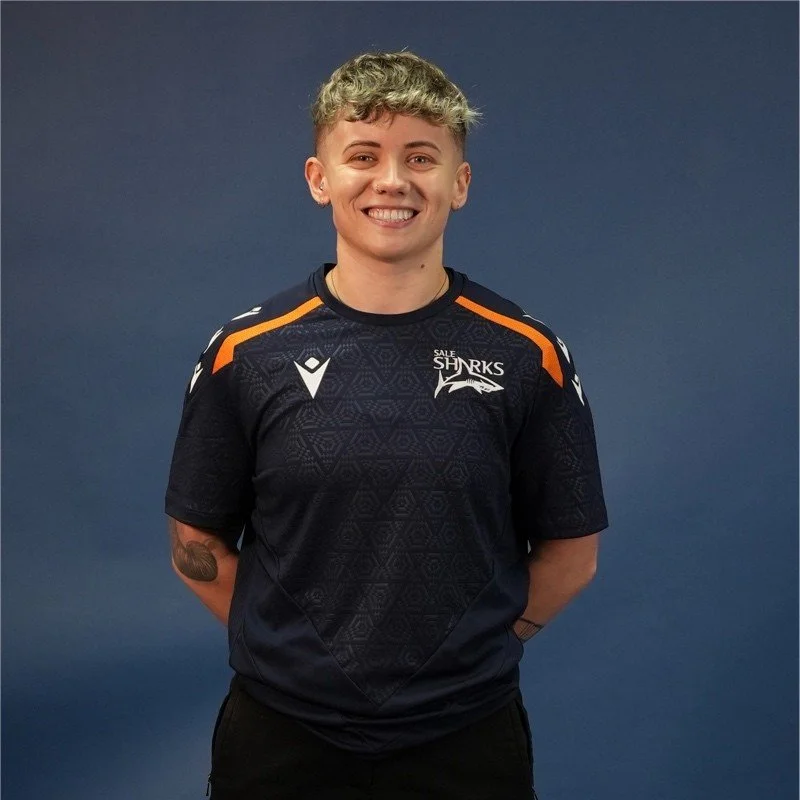
Beth is a registered sports nutritionist and research assistant who’s spent the last 5 years working across elite and development pathways in rugby, hockey, athletics, and more. She currently works with Sale Sharks women in the PWR and with British Lacrosse as Head of Nutrition, so she knows what it takes to fuel elite athletes!
It’s not just about performance though. Beth also supports NHS staff with complex physical or mental health conditions and neurodiversity.