women’s health
Breast health, the menstrual cycle & pelvic floor health made simple
Women’s health can be a bit of a minefield, but it doesn’t need to be. With the guidance of top women’s rugby physios and women’s health specialists we’re here to bring you everything you need to know to understand your body better and perform at your best.
BLOG Content
FAQs
-
Yes! The pelvic floor is a group of muscles like our quads or our hamstrings. You wouldn't train your quads only when you had a knee problem. A great way to fit them in is including them as part of your warm up for any gym sessions.
-
The short answer is no. There is some evidence to suggest risk of muscle injuries may be higher in the late luteal phase (typically 5-7 days before your period). However, no practical or clinical recommendations can be made at this time due to the variable and inconsistent research methods used. Future research needs to utilise physiologically accurate methods for classifying and detecting menstrual cycle phases to better understand the potential links between hormone fluctuations and injury risk
-
Yes you can. If you struggle with menstrual symptoms, such as cramps or back ache, you may find that movement or exercise actually eases these symptoms. However, if you are struggling with heavy bleeding and fatigue, you may want to adapt your training according to your energy levels. If your period stops you from being able to train, you should seek further advice from your GP.
-
No. A regular menstrual cycle length is 21-35 days. This is the number of days from day one of one period, to day one of the next. If your periods start to become more spaced out, or you have not had a period for 3 months, you should seek advice from your GP. A loss of your period for 3 months or more may be a sign of under-fuelling or over-training.
However, if you use a hormonal coil for contraceptive purposes, your periods may become very light or stop altogether.
-
A sports bra should be considered an essential piece of your training kit. The main purpose of a sports bra is to reduce breast movement, as breasts can move up to 15cm when running without a bra! Studies by the Research Group in Breast Health at Portsmouth University have demonstrated that running with insufficient breast support can make exercise feel harder, cause breast pain, increase the risk of injuries to the lower limbs, and decrease stride length by 4cm. Therefore, you should invest in supportive and optimally fitting sports bra.
-
It can be commonly reported within rugby, but it should not be considered normal. Leaking urine when being tackled, running or jumping is known as Stress Urinary Incontinence (SUI). This may be related to a weak or fatigued pelvic floor, or potentially a 'tight' pelvic floor. If you are noticing these symptoms, we suggest you seek advice from a pelvic health physiotherapist.
Looking for women’s health Experts?
Podcasts
-
![A pink background with two broad brushstrokes in shades of red and pink. Overlaid text reads "the period of the period." in bold black font, with smaller text below saying "PODCAST."]()
The Period of The Period
There’s a lack of evidenced-based support surrounding female-specific performance and health. This podcast is here to change this and discuss all the female-specific topics that have gone under the radar for so long.
-
![Logo with four silhouetted children playing and the words "FEMALE ATHLETE POD" in a circle around them, on a teal background.]()
Female Athlete Podcast
The Female Athlete Podcast is here to shine a light and bring focus to topics around the female body and sport and exercise which have originally gone under the radar.
-
![A woman with long dark hair, wearing a white blazer, smiling with crossed arms, standing in front of a pink background with the text 'The Food Medic with Dr Hazel Wallace'.]()
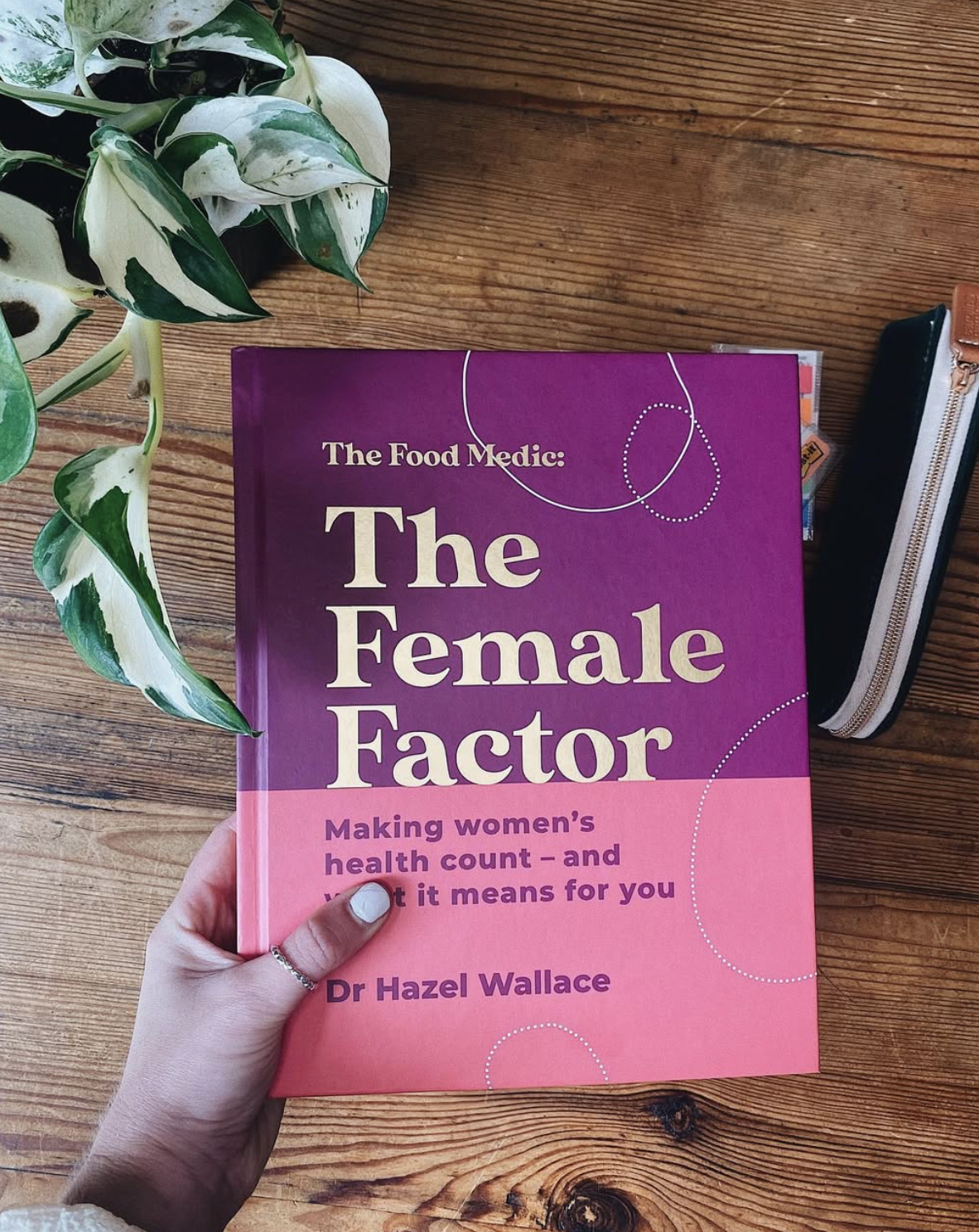
The Food Medic
Medical doctor and personal trainer, Dr. Hazel Wallace speaks to leading experts who share evidence based advice on how we can live healthier lives and cut through the confusing information online.
-
![Yellow background with white and black text that reads "Zoe Science + Nutrition" in a stylized font.]()
Zoe Science & Nutrition
The world’s top scientists explain the latest health, nutrition, and gut health research and translate it into practical advice. Hosted by Jonathan Wolf.
-
![Two smiling women, one with blonde hair and the other with dark brown hair, posing together on the cover of Women's Health magazine titled "Just As Well."]()
Just As Well
Hosts Gemma Atkinson and Women's Health Editor in chief Claire Sanderson, discuss everything from hormones and gut health to strength training and mental wellbeing.

experts in female health
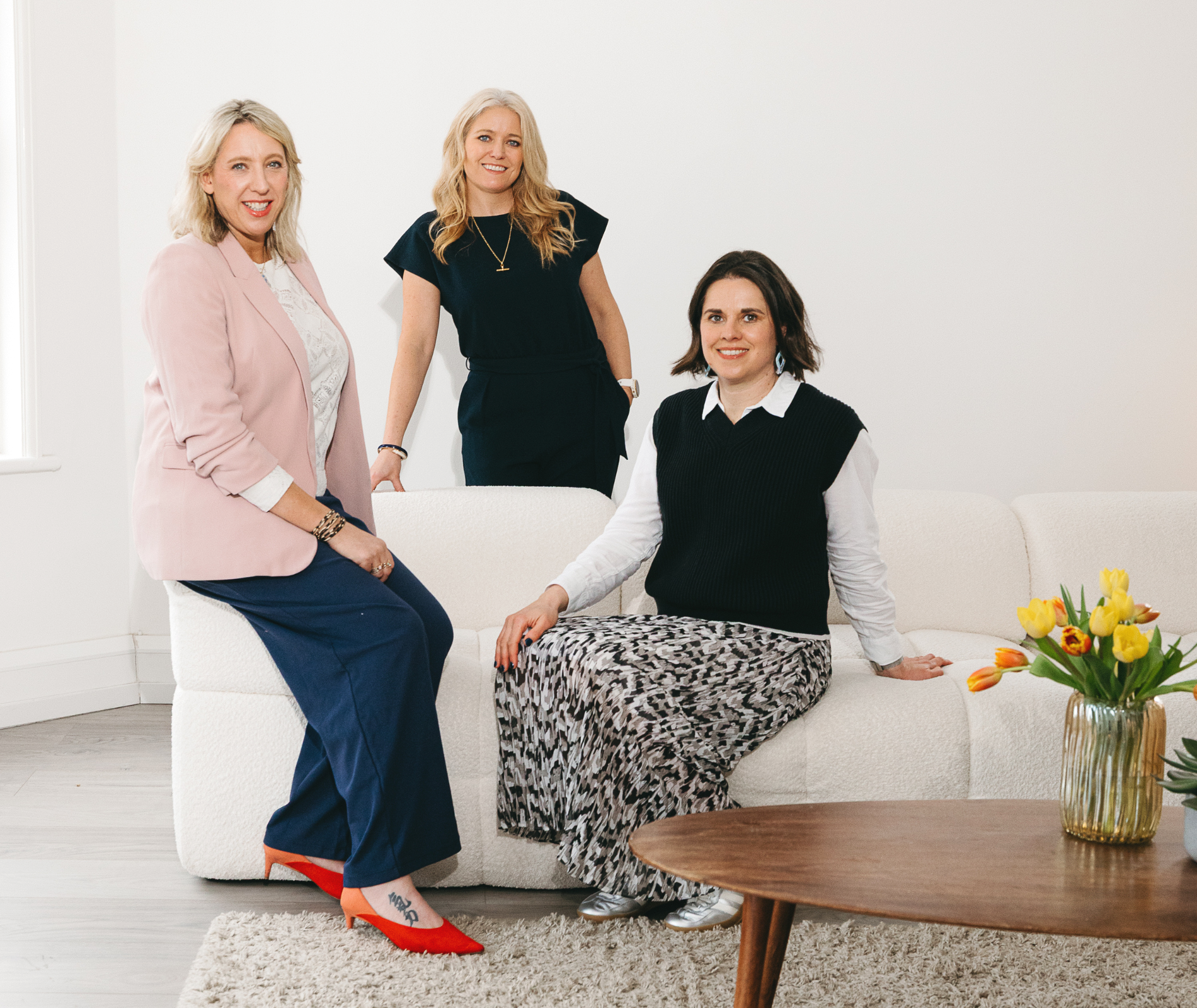
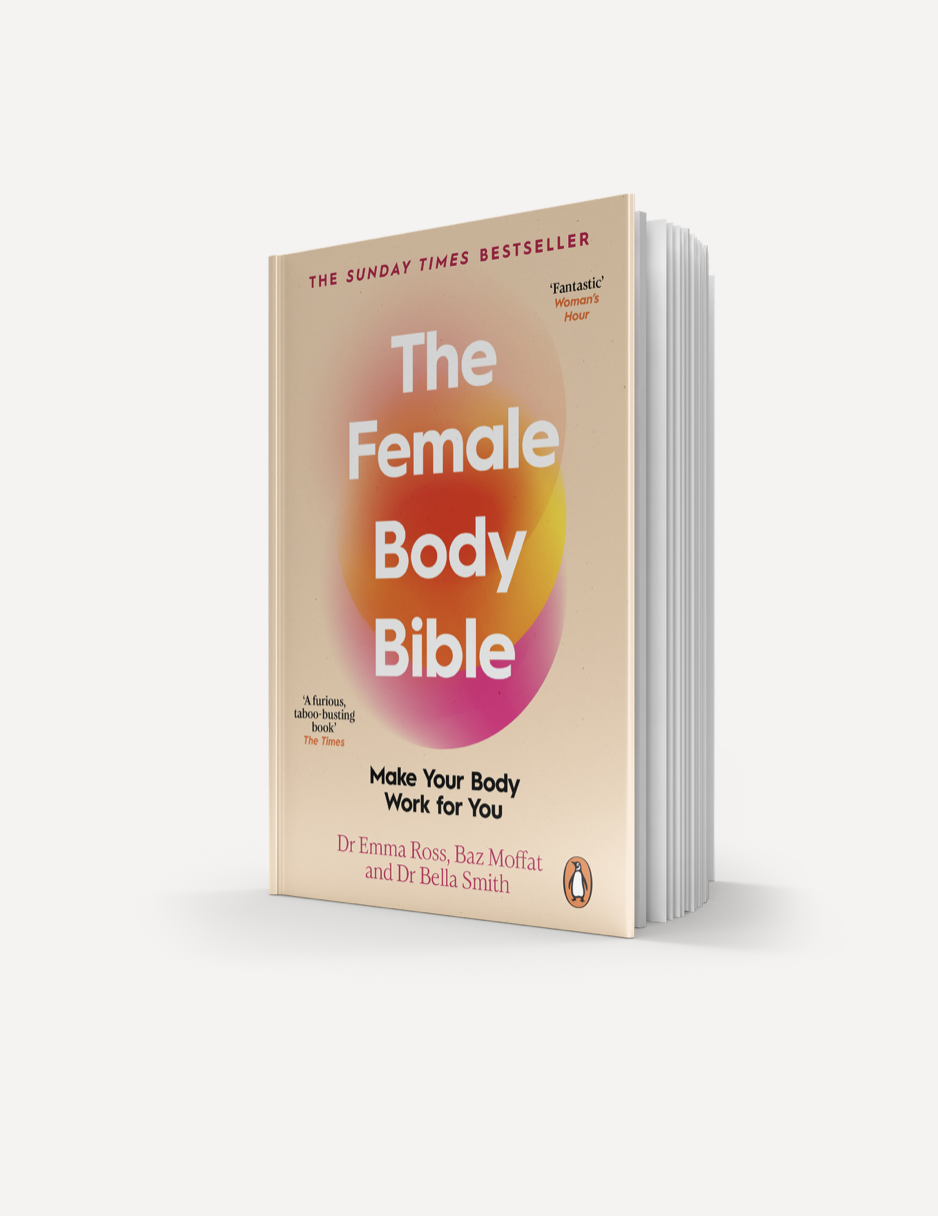
Another women’s health resource you may find useful is The Well HQ, a female-founded business that brings together decades of experience in medicine, sports, and science from co-founders; Baz Moffat (former Team GB rower and women’s health coach), Dr Emma Ross (former Head of Physiology at the UK Sports Institute) and Dr Bella Smith (NHS GP and women’s health expert).
They help organisations redesign their structures with women’s health and wellbeing in mind, turning scientific evidence into practical action. So if your club or school is looking to optimise the environment they provide for women and girls, The Well HQ is a great place to start.
other Resources you might like
Meet your coach
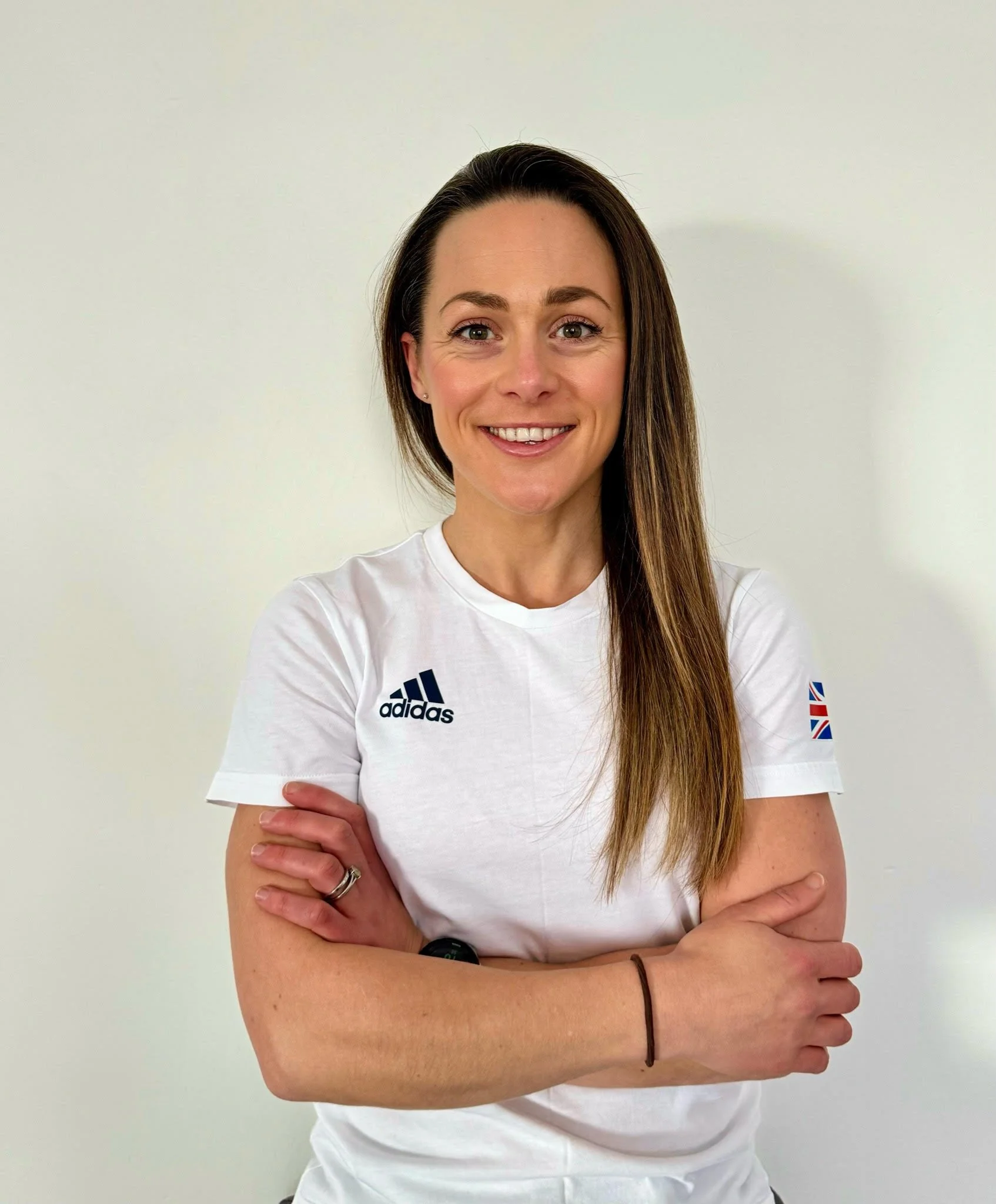
Abi is the Lead Physiotherapist for Sale Sharks Women and specialises in Female Athlete Health, covering topics like the menstrual cycle, breast health, pelvic floor health and more.
As well as rugby-specific knowledge, Abi also has a huge amount of experience working with elite athletes across sport including with British Wheelchair Basketball and British Para Snowsport, the Olympic Alpine, Moguls, Ski Cross and Snowboard Cross teams.
Losing your period might not feel like anything to worry about, it can even seem convenient, but it’s actually a key sign of RED-S. Physio for Sale Sharks Women and women’s health expert Abi Okell explains.